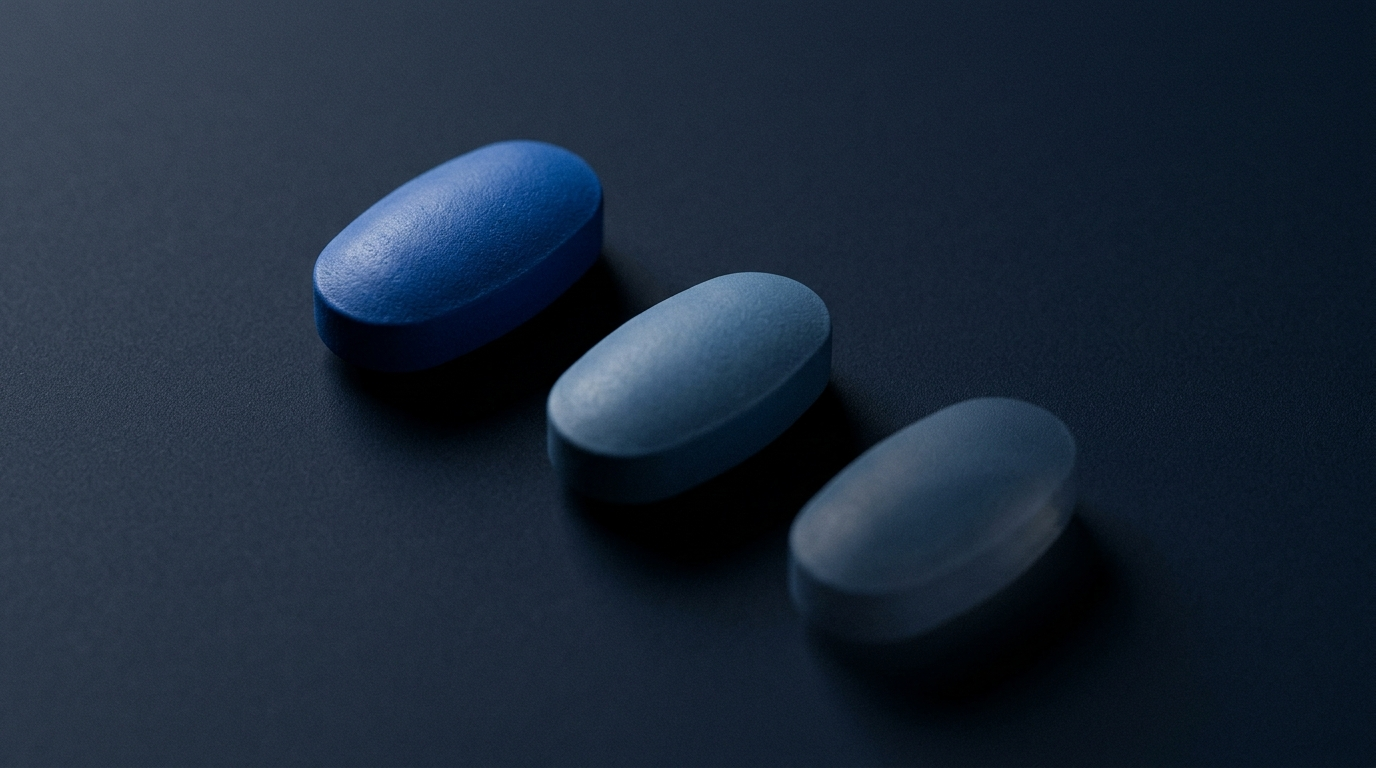
ED Pills Stopped Working? The Natural Cure For ED Few Men Are Being Told About
If your ED pills stopped working — or you now need two or three to feel anything — there may be a reason your doctor has never tested you for. A board-certified urologist walks through what current research is now calling the real root cause.

You took the pill. You waited. Nothing happened.
Maybe you took a second one. Maybe a third. Maybe you looked at the clock, at your wife in the next room, and felt something close to panic. Because the one thing that had been working — the small blue safety net you were quietly counting on — had just stopped working.
If that happened to you recently, you are not alone, and you are not broken. According to recent clinical reviews, between 30% and 40% of men on long-term ED medication eventually report the same thing: the pills start to lose their effect. One tablet becomes two. Two becomes three. And then three becomes nothing.
Most men blame age. Their doctor blames stress or testosterone and writes another prescription. But a growing body of new research now suggests this is not a failure of discipline, willpower, or dosage. It may be a sign that something physical is going on inside the body that medication was never designed to reach.
For many men past 55, the pattern tends to look like this:
- Pills that used to work fine with one tablet — now requiring two or three to feel anything, if they work at all
- No more morning signs at all — not just occasionally, but gone completely for months or years
- That "half-mast" pattern — it starts, then quietly fades, in the exact moment it matters most
- A quiet, almost invisible avoidance of intimacy — going to bed later than she does, finding reasons to stay on the couch
- The familiar knot in the stomach every time it might be about to happen — wondering if this time will be like last time
Most men are told this is simply the price of getting older. Or that they just need to add another pill. But when the pattern keeps repeating year after year — when the second medication stops helping, and the third one brings side effects of its own — that explanation starts to run out of road.
Some urologists now believe this repeating pattern — the pills losing effect no matter how the dose is adjusted — may point to something physical going on inside the vessel wall itself, in the small arteries that supply the pelvic region.
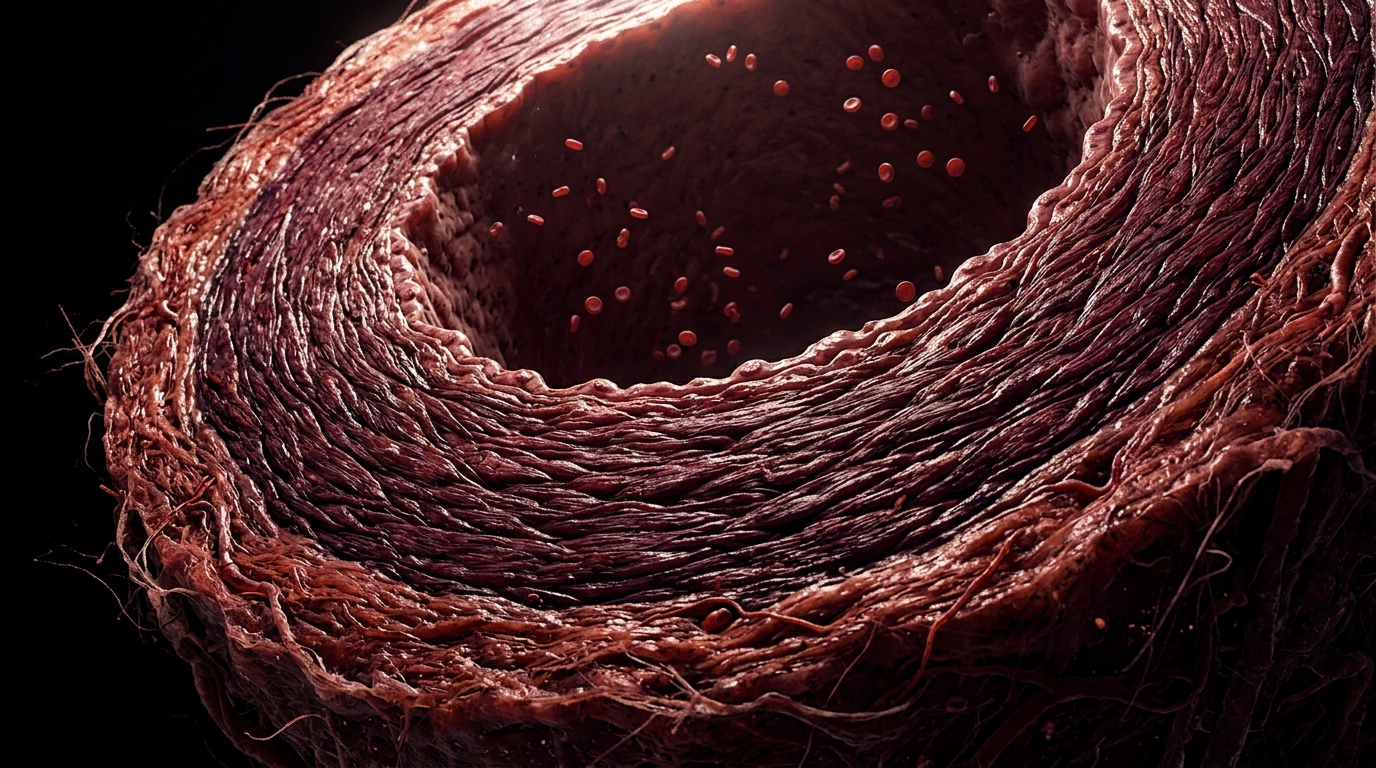
When ED pills stopped working for the men in this report, researchers began looking somewhere almost no one had tested before.
In plain terms: a slow, chronic inflammation may be forming inside those vessels — narrowing the space blood has to pass through, and preventing the artery from fully relaxing the way a healthy one does. No amount of vasodilator medication can fix a vessel that no longer responds to the signal.
And here is the part almost no cardiologist or general practitioner is bringing up at the yearly check-up — the part that is quietly rewriting what urology researchers thought they knew about treatment-resistant ED.
A line of research published in peer-reviewed medical journals has now confirmed something scientists had suspected for years: a common stomach bacterium — one the World Health Organization estimates roughly half of all adults carry — has been found to release inflammatory compounds that enter the bloodstream and settle inside the walls of small arteries. It enters the body silently, often in childhood, through contaminated water or food. Most people never know they have it. And unlike a passing infection, it does not clear on its own.
Chronic infection by this bacterium — Helicobacter pylori — has been linked in peer-reviewed studies to endothelial dysfunction, the medical term for small arteries that no longer dilate the way they should. Over the years, the inflammation builds a kind of silent layer inside the vessel wall that standard ED medication was never designed to reach, break down, or clear out.
Researchers now believe this hidden mechanism may be one of the main reasons ED pills keep losing their effect in men over 55 who are doing everything right. The pills do their job on the chemistry passing through. But they cannot reach the layer forming on the walls themselves. And every year that passes, that layer gets a little thicker, and the arteries lose a little more of their ability to respond.
That is why a simple morning protocol — drawing attention from urology researchers for how it works directly on this type of silent arterial buildup — is now being discussed as a fundamentally different approach from the pills most men are given.
It does not try to force a response from an artery that has stopped listening. It is designed around the layer of the problem that standard treatments were never built to reach.
In a short investigation, a board-certified urologist walks through the full picture — what the buildup appears to be made of, how it has been accumulating silently inside men's arteries for decades, and why this line of research has stayed outside what the average patient hears at the annual check-up.